This is the most fundamental COGS-related ratio. It expresses COGS as a percentage of total sales. This ratio is the primary indicator of your restaurant's profitability at a macro level. A high COGS percentage means a large portion of your revenue is going towards ingredients and supplies, leaving less for other expenses and profit.
Result: 0%
Industry Average: Typically ranges from 28% to 35%.
Food Cost Percentage
This ratio specifically measures the cost of food sold against food sales. It's a more granular view than COGS percentage. It's crucial for menu pricing and for understanding the profitability of your food program separate from beverages.
Result: 0%
Industry Average: Ranges from 25% to 35%.
Beverage Cost Percentage
This ratio measures the cost of beverages sold against beverage sales. This ratio is essential for managing bar profitability. It helps identify issues with pouring practices, pricing, or purchasing for beer, wine, and liquor.
Result: 0%
Industry Average: Varies widely, but typically lower than food costs (e.g., 15-20% for soda and beer).
Prime Cost Percentage
Prime cost combines your two largest controllable expenses: COGS and labor costs. This is the most significant indicator of your restaurant's overall operational health. It shows how efficiently you are managing your most impactful costs.
Result: 0%
Industry Average: A healthy range is typically 55% to 65%.
Inventory Turnover Ratio
This ratio measures how quickly a restaurant sells and replaces its inventory. A high turnover ratio means you're selling inventory quickly, which reduces the risk of spoilage, and frees up cash flow. A low ratio can indicate over-ordering or slow sales.
Result: 0
Industry Average: Around 6 to 12 turns per year.
Days in Inventory (DII)
This metric translates the Inventory Turnover Ratio into the number of days it takes to sell through your entire inventory. This provides a more intuitive understanding of your inventory efficiency. A lower DII is generally better, as it means you're not tying up cash in slow-moving stock.
Result: 0 days
Industry Average: Typically around 30 to 60 days.
Gross Profit Margin
This ratio tells you what percentage of your sales revenue is left after paying for the goods you sold. It's a fundamental measure of profitability and a direct result of effective COGS management.
Result: 0%
Industry Average: Usually around 65% to 72%.
Contribution Margin per Menu Item
This is a specific, item-level metric that directly relates to COGS. It tells you the exact profit each item contributes to covering your fixed costs and generating a net profit. It's crucial for menu engineering and pricing decisions.
Result: $0
Industry Average: This varies by item. The goal is to maximize the contribution margin of popular items.
Theoretical vs. Actual COGS Percentage
This ratio compares what your COGS should be based on your recipes (theoretical) versus what it actually is. This is a powerful tool for identifying operational inefficiencies. A ratio above 1 indicates problems like over-portioning, waste, theft (shrinkage), or recipe inconsistencies.
Result: 0
Industry Average: The ideal is 1.0, or as close to it as possible.
Waste Percentage
This is the percentage of your total COGS that is attributed to waste. Waste directly erodes profitability. Tracking this ratio helps you identify issues with inventory management, portion control, or staff training.
Result: 0%
Industry Average: This is highly variable, but every effort should be made to keep it as low as possible, ideally under 5%.
Cost per plate / item
This is the cost of ingredients for a single menu item, a core component of COGS. This is the foundation of profitable menu pricing. Without knowing the cost per plate, you cannot set an appropriate selling price to achieve your desired food cost percentage.
Result: $0
Industry Average: Not applicable as it is specific to each dish.
Recipe Costing Percentage
This ratio is the item-level version of the food cost percentage. It helps you assess whether each menu item is priced to meet your financial goals. It's a critical tool for menu engineering.
Result: 0%
Industry Average: A typical target is often 25-30% for food items.
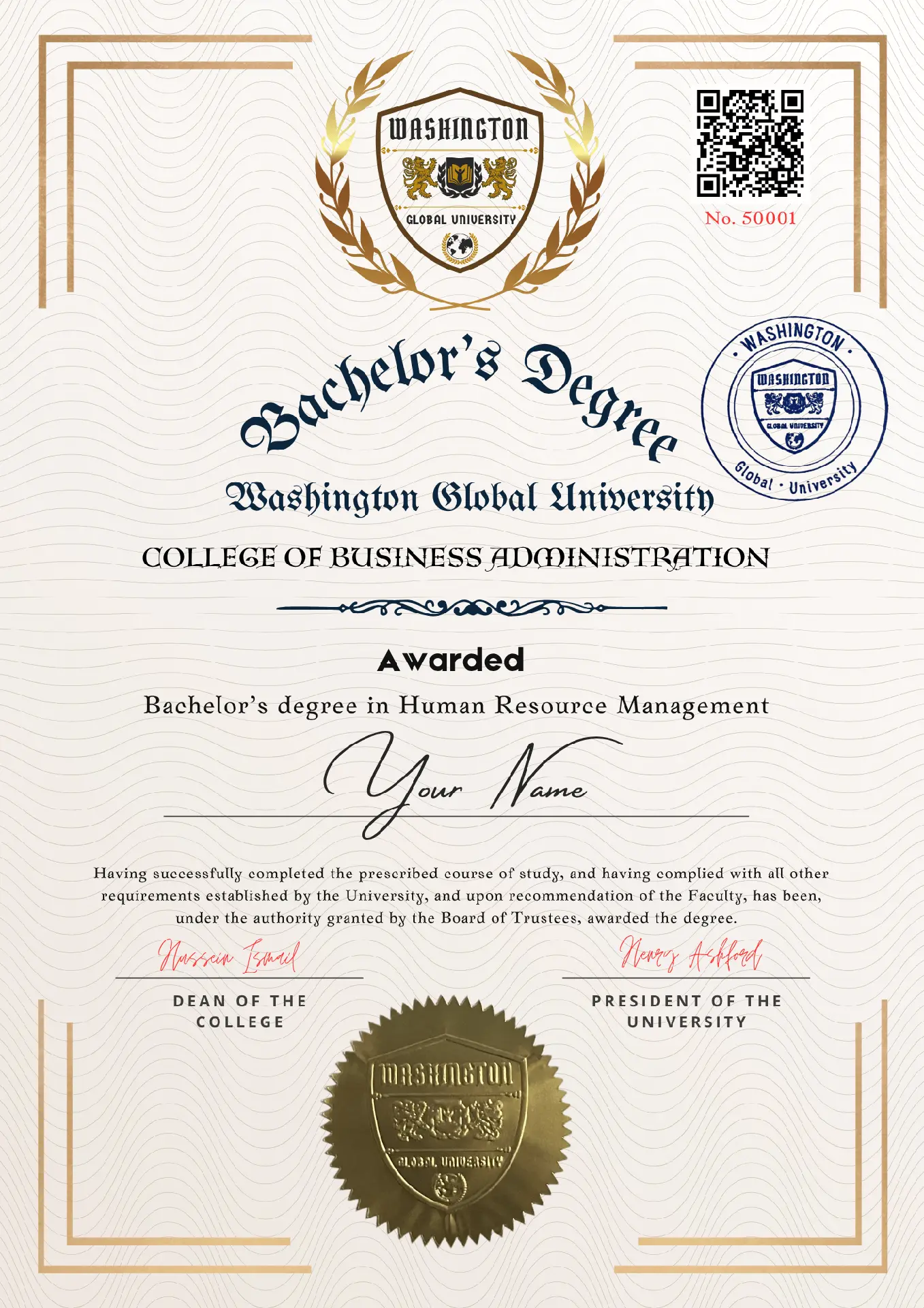
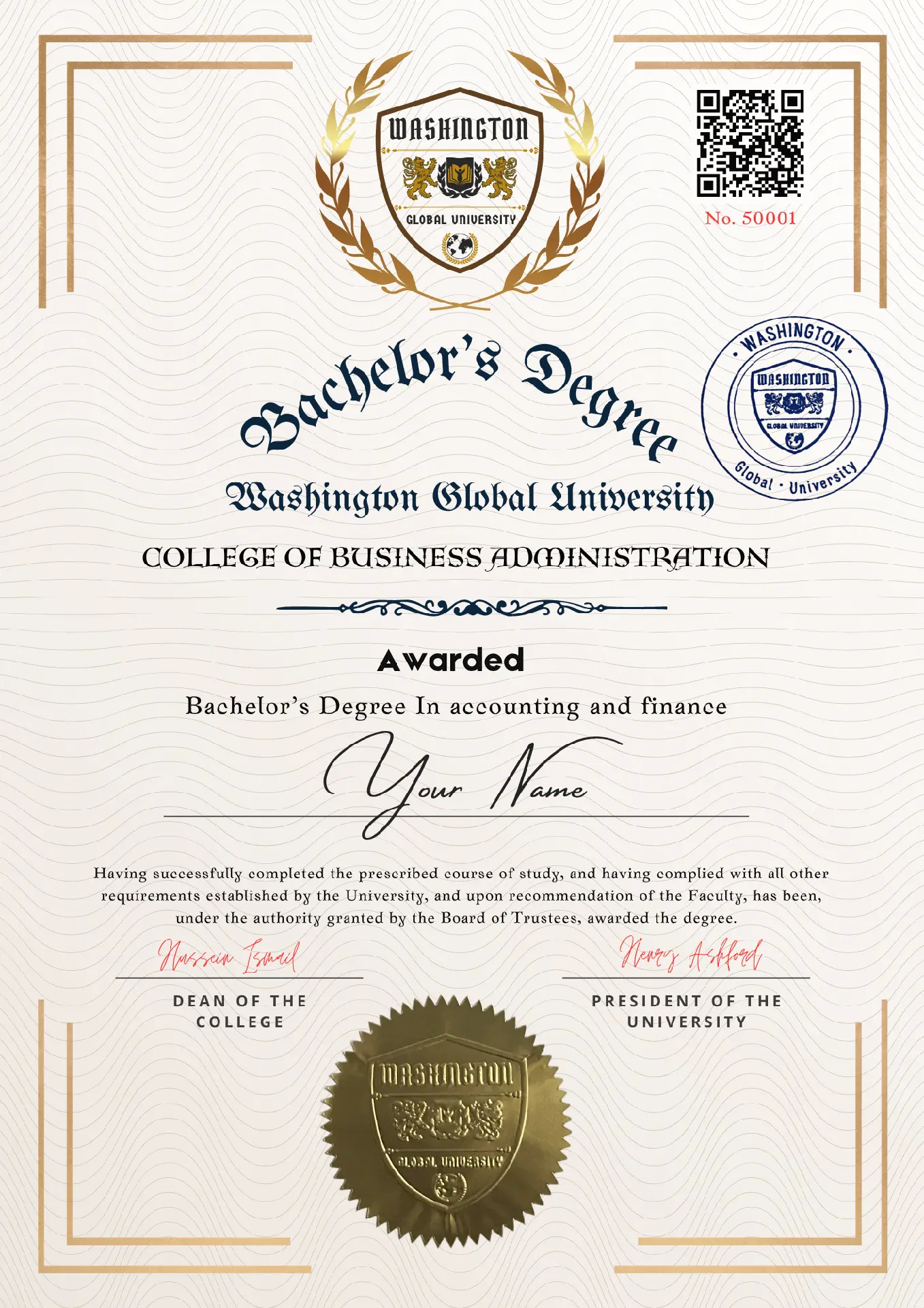
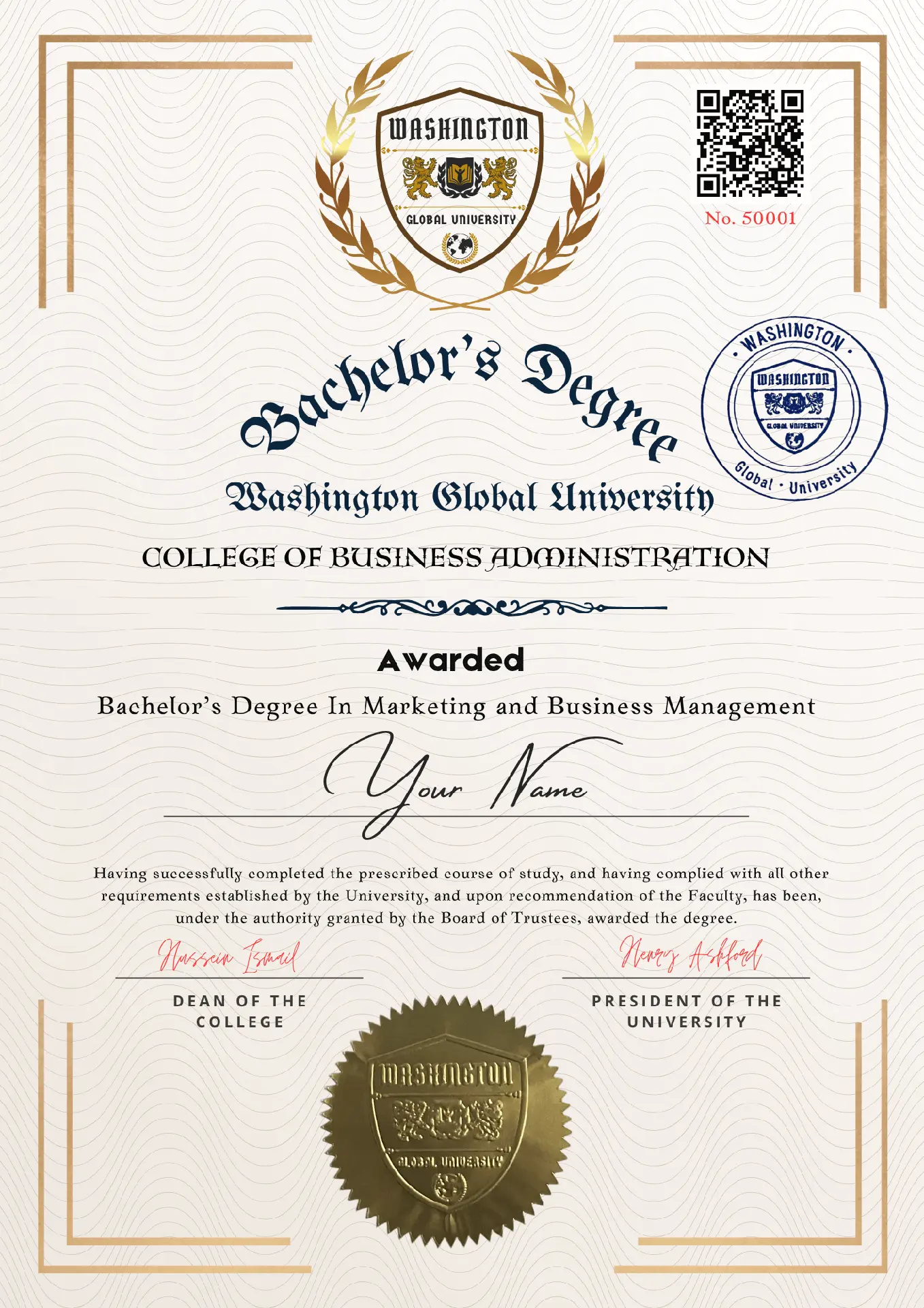
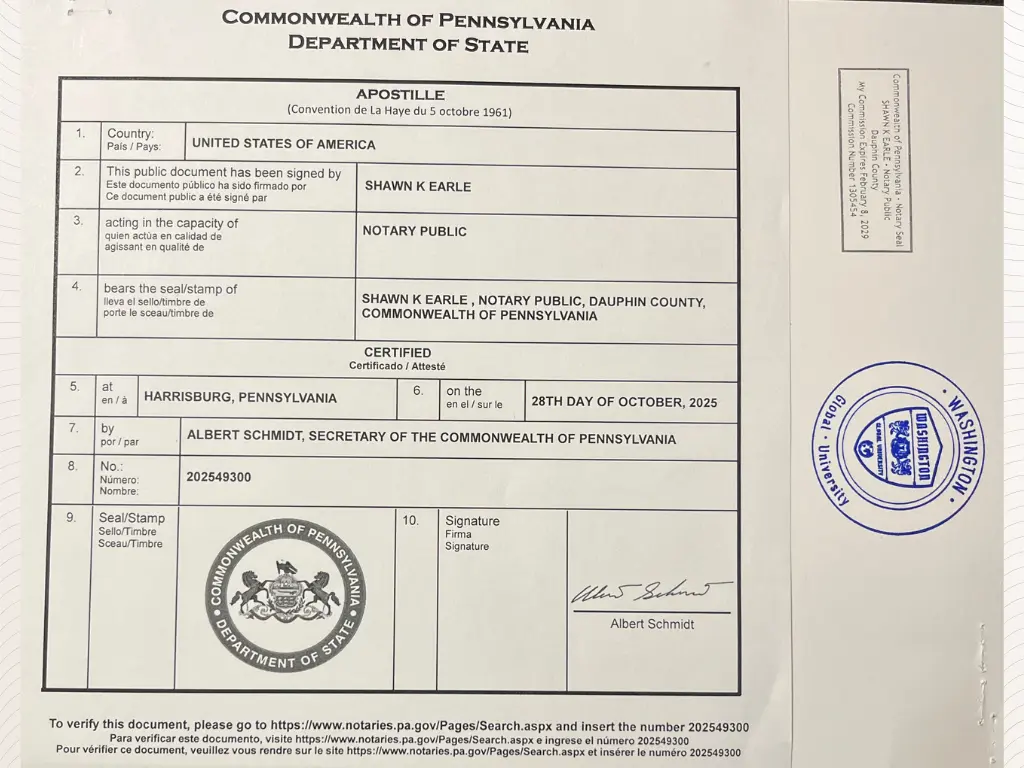
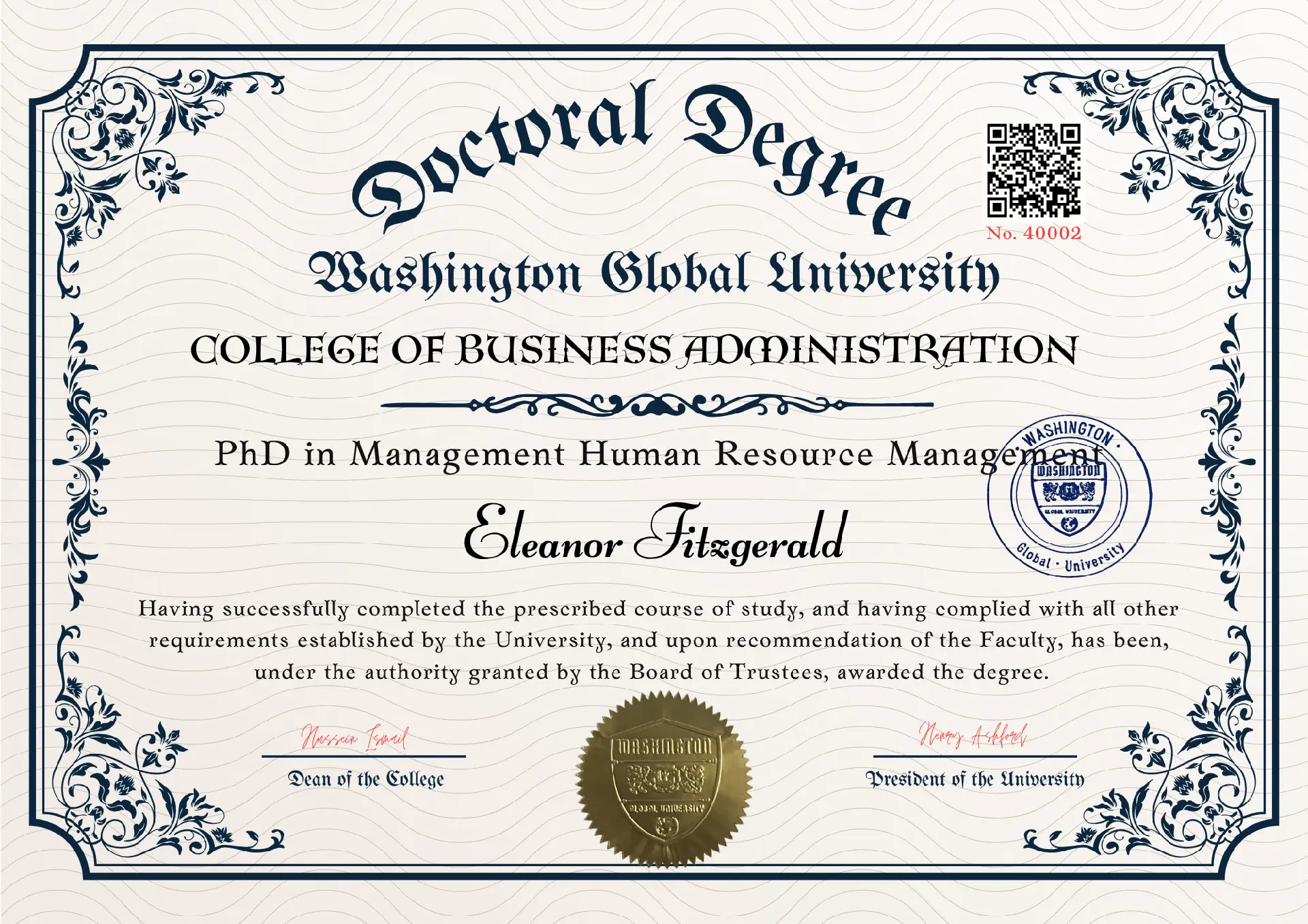
Accredited Academic Degree in Just 45 Days with Washington Global University
Enroll today at Washington Global University and earn qualifying academic degrees across a wide range of disciplines in just 45 days. Programs cover fields such as Business and Management, Counseling, Psychology, Criminal Justice, Information Technology, Health Sciences, and Nursing. The university also offers professional certifications, including Educational Specialist, Trainer Accreditation, and Training Center Accreditation, in addition to academic degrees like Bachelor's, Master's, and Doctoral degrees. Professional diplomas, degree verification services, and ready-made professional profiles (e.g., Trainer Profile Template, Training Center Profile Template) are also available.
This is the most fundamental COGS-related ratio. It expresses COGS as a percentage of total sales. This ratio is the primary indicator of your restaurant's profitability at a macro level. A high COGS percentage means a large portion of your revenue is going towards ingredients and supplies, leaving less for other expenses and profit.
Result: 0%
Industry Average: Typically ranges from 28% to 35%.
Food Cost Percentage
This ratio specifically measures the cost of food sold against food sales. It's a more granular view than COGS percentage. It's crucial for menu pricing and for understanding the profitability of your food program separate from beverages.
Result: 0%
Industry Average: Ranges from 25% to 35%.
Beverage Cost Percentage
This ratio measures the cost of beverages sold against beverage sales. This ratio is essential for managing bar profitability. It helps identify issues with pouring practices, pricing, or purchasing for beer, wine, and liquor.
Result: 0%
Industry Average: Varies widely, but typically lower than food costs (e.g., 15-20% for soda and beer).
Prime Cost Percentage
Prime cost combines your two largest controllable expenses: COGS and labor costs. This is the most significant indicator of your restaurant's overall operational health. It shows how efficiently you are managing your most impactful costs.
Result: 0%
Industry Average: A healthy range is typically 55% to 65%.
Inventory Turnover Ratio
This ratio measures how quickly a restaurant sells and replaces its inventory. A high turnover ratio means you're selling inventory quickly, which reduces the risk of spoilage, and frees up cash flow. A low ratio can indicate over-ordering or slow sales.
Result: 0
Industry Average: Around 6 to 12 turns per year.
Days in Inventory (DII)
This metric translates the Inventory Turnover Ratio into the number of days it takes to sell through your entire inventory. This provides a more intuitive understanding of your inventory efficiency. A lower DII is generally better, as it means you're not tying up cash in slow-moving stock.
Result: 0 days
Industry Average: Typically around 30 to 60 days.
Gross Profit Margin
This ratio tells you what percentage of your sales revenue is left after paying for the goods you sold. It's a fundamental measure of profitability and a direct result of effective COGS management.
Result: 0%
Industry Average: Usually around 65% to 72%.
Contribution Margin per Menu Item
This is a specific, item-level metric that directly relates to COGS. It tells you the exact profit each item contributes to covering your fixed costs and generating a net profit. It's crucial for menu engineering and pricing decisions.
Result: $0
Industry Average: This varies by item. The goal is to maximize the contribution margin of popular items.
Theoretical vs. Actual COGS Percentage
This ratio compares what your COGS should be based on your recipes (theoretical) versus what it actually is. This is a powerful tool for identifying operational inefficiencies. A ratio above 1 indicates problems like over-portioning, waste, theft (shrinkage), or recipe inconsistencies.
Result: 0
Industry Average: The ideal is 1.0, or as close to it as possible.
Waste Percentage
This is the percentage of your total COGS that is attributed to waste. Waste directly erodes profitability. Tracking this ratio helps you identify issues with inventory management, portion control, or staff training.
Result: 0%
Industry Average: This is highly variable, but every effort should be made to keep it as low as possible, ideally under 5%.
Cost per plate / item
This is the cost of ingredients for a single menu item, a core component of COGS. This is the foundation of profitable menu pricing. Without knowing the cost per plate, you cannot set an appropriate selling price to achieve your desired food cost percentage.
Result: $0
Industry Average: Not applicable as it is specific to each dish.
Recipe Costing Percentage
This ratio is the item-level version of the food cost percentage. It helps you assess whether each menu item is priced to meet your financial goals. It's a critical tool for menu engineering.
Result: 0%
Industry Average: A typical target is often 25-30% for food items.
Accredited Academic Degree in Just 45 Days with Washington Global University
Enroll today at Washington Global University and earn qualifying academic degrees across a wide range of disciplines in just 45 days. Programs cover fields such as Business and Management, Counseling, Psychology, Criminal Justice, Information Technology, Health Sciences, and Nursing. The university also offers professional certifications, including Educational Specialist, Trainer Accreditation, and Training Center Accreditation, in addition to academic degrees like Bachelor's, Master's, and Doctoral degrees. Professional diplomas, degree verification services, and ready-made professional profiles (e.g., Trainer Profile Template, Training Center Profile Template) are also available.
At Washington Global University, our students and graduates embody excellence, innovation, and leadership. Their success stories reflect our commitment to academic quality, professional growth, and global impact.
1. Business and Management – Master’s Degree
Maria Thompson, MBA Graduate (USA)
After earning her Master’s in Business and Management from Washington Global University, Maria founded a sustainable e-commerce startup that has expanded into three international markets. She credits WGU’s practical business strategies and leadership modules for giving her the confidence to lead her company toward global success.
2. Counseling Programs – Doctoral Degree
Dr. Ahmed Al-Farouq (UAE)
Dr. Ahmed completed his Doctorate in Counseling Psychology at WGU and now serves as a senior mental health consultant for an international non-profit organization. His research on trauma-informed care has been published in leading journals, influencing counseling practices across the Middle East.
3. Criminal Justice – Bachelor’s Degree
James Walker (USA)
James joined Washington Global University to pursue his Bachelor’s in Criminal Justice while working full-time in law enforcement. Today, he leads a specialized task force dedicated to community-based crime prevention. His academic training at WGU strengthened his analytical and leadership skills in the field.
4. Education Specialist – Diploma Program
Linda Nguyen (Vietnam)
Linda earned her Education Specialist Diploma from WGU, focusing on educational leadership and curriculum innovation. She now heads a private school network in Southeast Asia and has implemented modern teaching methodologies inspired by her WGU coursework.
5. Health & Health Sciences – Master’s Degree
Dr. Samuel Rodriguez (Spain)
Samuel completed his Master’s in Health & Health Sciences at WGU, specializing in global public health management. His thesis on post-pandemic healthcare systems received international recognition, and he now works as a health policy advisor for a European government agency.
6. Information Technology – Bachelor’s Degree
Priya Deshmukh (India)
Priya earned her Bachelor’s in Information Technology from WGU and secured a position with a leading cybersecurity firm. Her capstone project on digital forensics became the foundation for a real-world application that helps organizations strengthen their cyber defenses.
7. Nursing – Doctoral Degree
Dr. Emily Carter (Canada)
A proud alumna of WGU’s Doctor of Nursing program, Dr. Carter developed a nurse-led initiative to improve patient care in rural communities. Her leadership and research in clinical nursing practices have earned her national recognition in healthcare innovation.
8. Psychology – Master’s Degree
John Peterson (United Kingdom)
John’s Master’s in Psychology at WGU prepared him to become a licensed therapist specializing in adolescent mental health. His success has led to the opening of his own counseling center, where he mentors new practitioners in compassionate, research-based care.
9. Accredited Instructor Program
Sarah Mitchell (USA)
Sarah became one of the first graduates of WGU’s Instructor Accreditation Program, designed to accredit educators and training centers. Today, she manages a certified training center in Texas, where she mentors instructors to meet international standards of teaching excellence.
10. Accredited Training Center Partnership
Global Skills Academy (Philippines)
Through WGU’s Accreditation Program, Global Skills Academy earned full accreditation as a recognized training institution. This partnership allows the academy to deliver WGU-aligned diploma programs in business, health, and IT, ensuring educational quality across regions.
Empowering Futures
Every success story at Washington Global University represents our mission in action — providing education that transforms lives, strengthens communities, and builds leaders for a global future.
Whatever your question is, we’ve got you covered
Whatever your question is, we’ve got you covered.
Washington Global University Enrollment Specialists are trained to help you research, plan, and get started on your academic journey.