This is the most essential labor metric, showing the cost of labor as a portion of sales. A high labor cost percentage can severely impact your bottom line. It's a key indicator of whether you're over-staffed or under-staffed for a given sales volume.
Result: 0%
Industry Average: A healthy range is between 25% and 35%.
Sales Per Labor Hour
This ratio measures the revenue generated for every hour worked by an employee. It's a key metric for assessing employee productivity and optimizing your scheduling. It helps you see if your team is working efficiently and if your schedule is aligned with customer traffic.
Result: $0
Industry Average: A good benchmark is typically $30-$40 per labor hour.
Employee Turnover Rate
This metric tracks the rate at which employees leave your business over a specific period. A high turnover rate is a major red flag. It points to issues like poor morale, inadequate training, or insufficient compensation. High turnover also leads to significant costs in recruitment, hiring, and training.
Result: 0%
Industry Average: The restaurant industry has a notoriously high turnover rate, often exceeding 70% annually.
Labor Cost Per Customer
This metric measures the average labor cost associated with serving a single customer. This provides a granular view of efficiency and helps you see if your labor spending is aligned with the number of people you're serving.
Result: $0
Industry Average: Varies widely, but it is an important internal benchmark to track.
Overtime Percentage
This ratio shows the percentage of total labor costs that are spent on overtime wages. Overtime is expensive; a high percentage can indicate poor scheduling, staff shortages, or a lack of labor planning.
Result: 0%
Industry Average: Should be kept as low as possible, ideally under 1%.
Labor cost per menu item
This measures the direct labor cost associated with producing a single menu item. It is a key part of recipe costing and helps you understand the true cost and profitability of each dish.
Result: $0
Industry Average: Not applicable as it is specific to each dish.
Front-of-House (FOH) Labor Percentage
This ratio specifically measures the cost of FOH staff (e.g., servers, hosts, bartenders) as a percentage of total sales. It helps you analyze the profitability of your service model and determine if your FOH team is properly sized for your sales volume.
Result: 0%
Industry Average: Varies by concept, but it's a critical internal benchmark to track.
Back-of-House (BOH) Labor Percentage
This ratio measures the cost of BOH staff (e.g., chefs, cooks, dishwashers) as a percentage of total sales. This helps you manage kitchen efficiency. If this ratio is too high, it may indicate issues with menu complexity, kitchen layout, or training.
Result: 0%
Industry Average: Varies widely, but a well-managed kitchen should aim for a low BOH labor percentage.
Labor Cost to Prime Cost Ratio
This ratio shows what proportion of your prime costs (labor + COGS) are attributed to labor. It helps you understand the balance between your two largest expenses. A ratio that is too high may indicate that you have labor costs that are too high compared to your food costs.
Result: 0%
Industry Average: Varies, but it's an important internal metric for balancing your most significant costs.
Net Profit Per Employee
This measures how much net profit a single employee generates for the business. This is a high-level metric that can be used to assess overall productivity and the effectiveness of your team as a whole.
Result: $0
Industry Average: Not applicable as it is a unique metric to each business.
Training Cost Per Employee
This measures how much you are investing in training each employee. This helps you budget for training and track the return on that investment. You can compare this to your turnover rate to see if your training is effective in retaining employees.
Result: $0
Industry Average: Varies, but a healthy business invests in employee development.
Benefits Cost Percentage
This ratio measures the cost of employee benefits as a percentage of total labor costs. Benefits can be a significant part of your labor costs. Tracking this helps you understand the true cost of your employees beyond just their wages.
Result: 0%
Industry Average: Varies depending on the size of the business and the benefits offered.
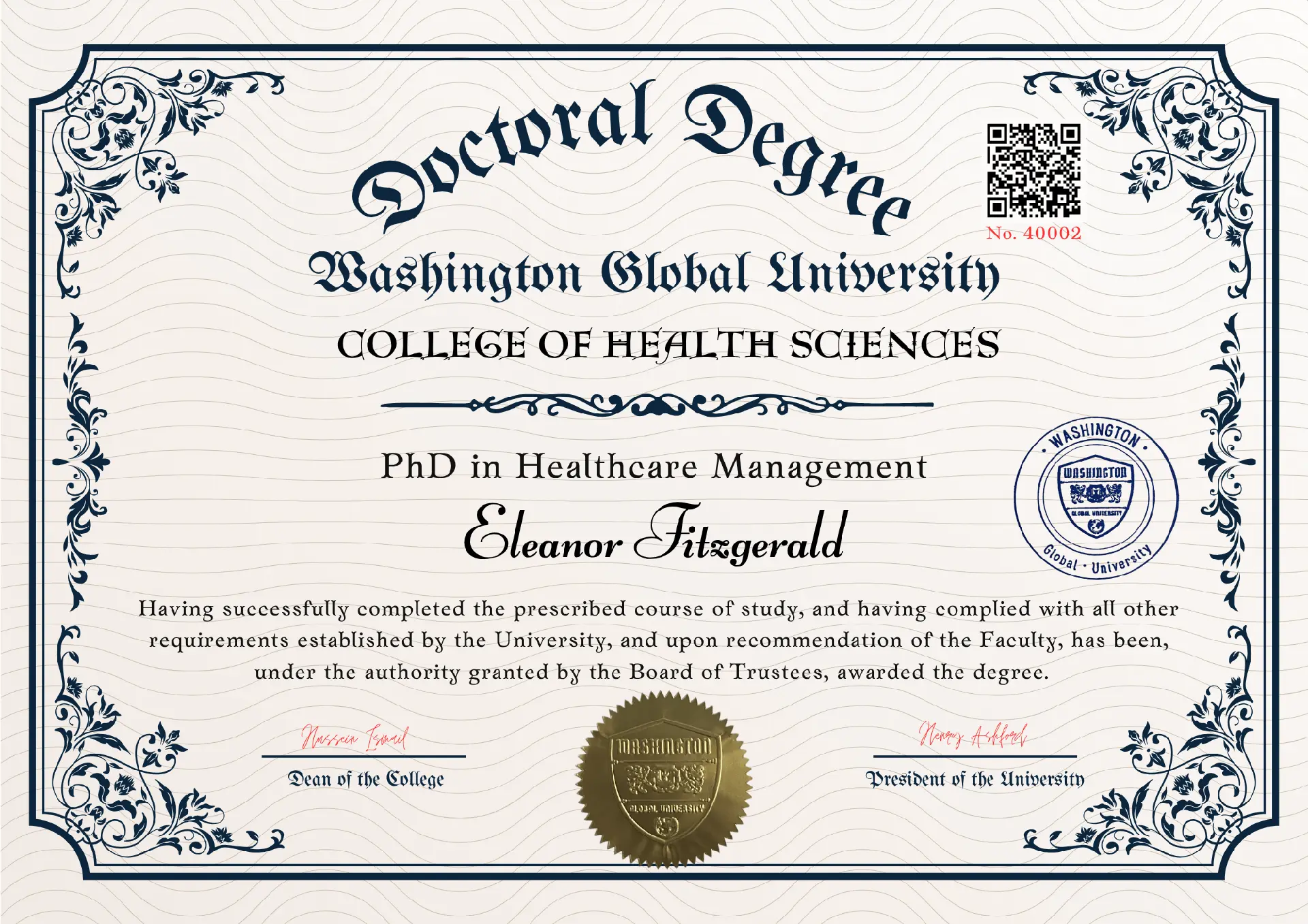
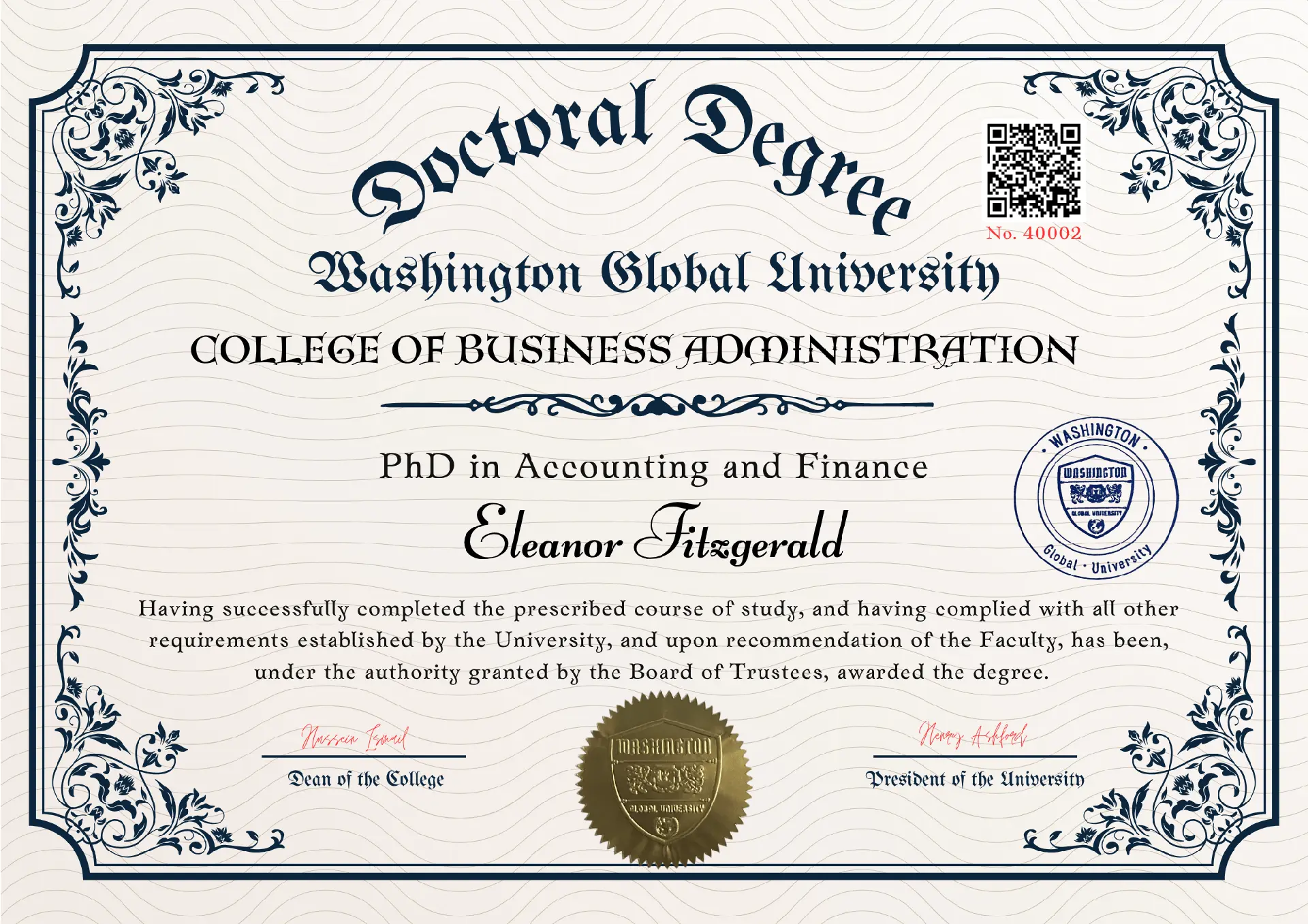
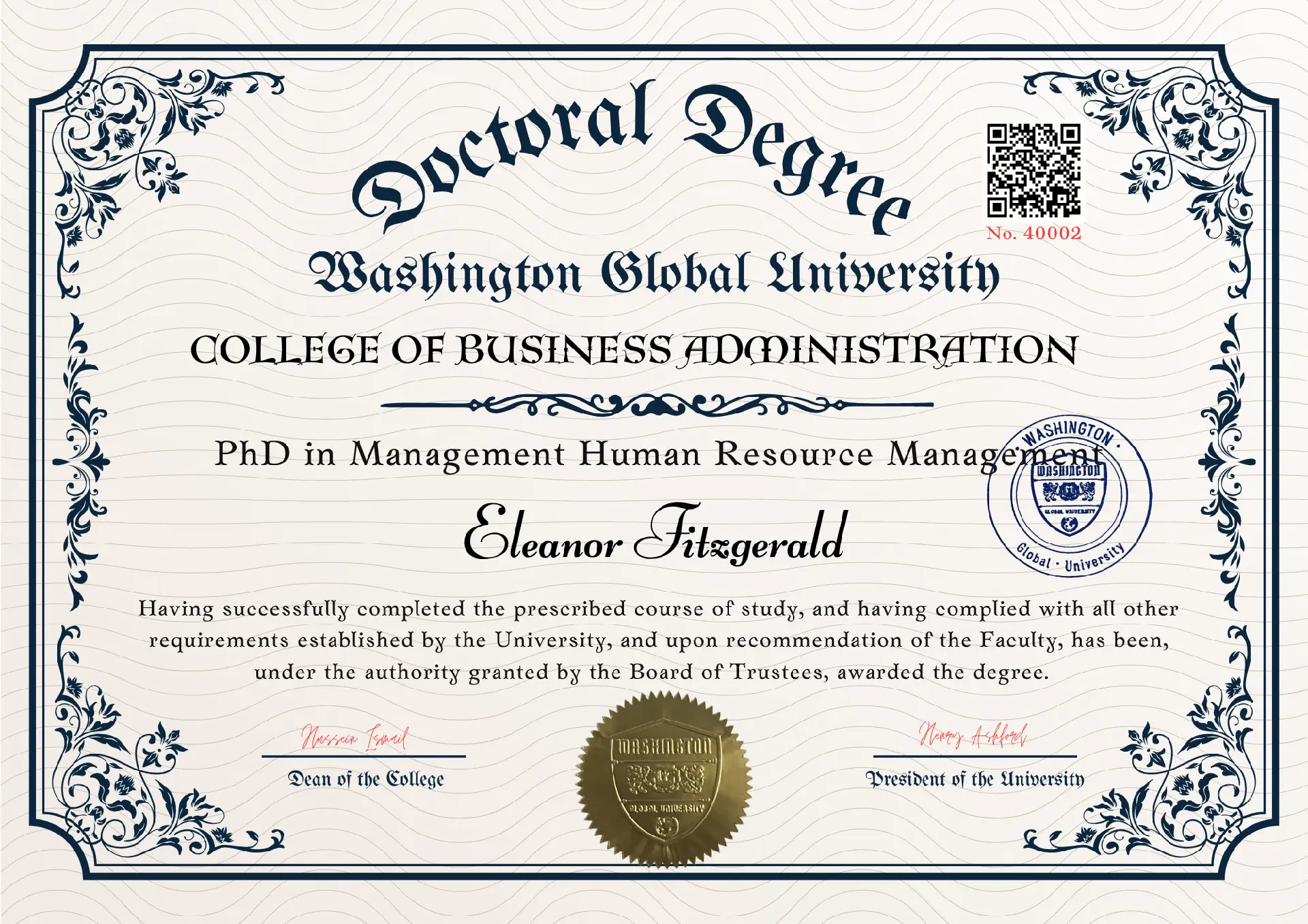
Fast, Accredited Education with Washington Global University
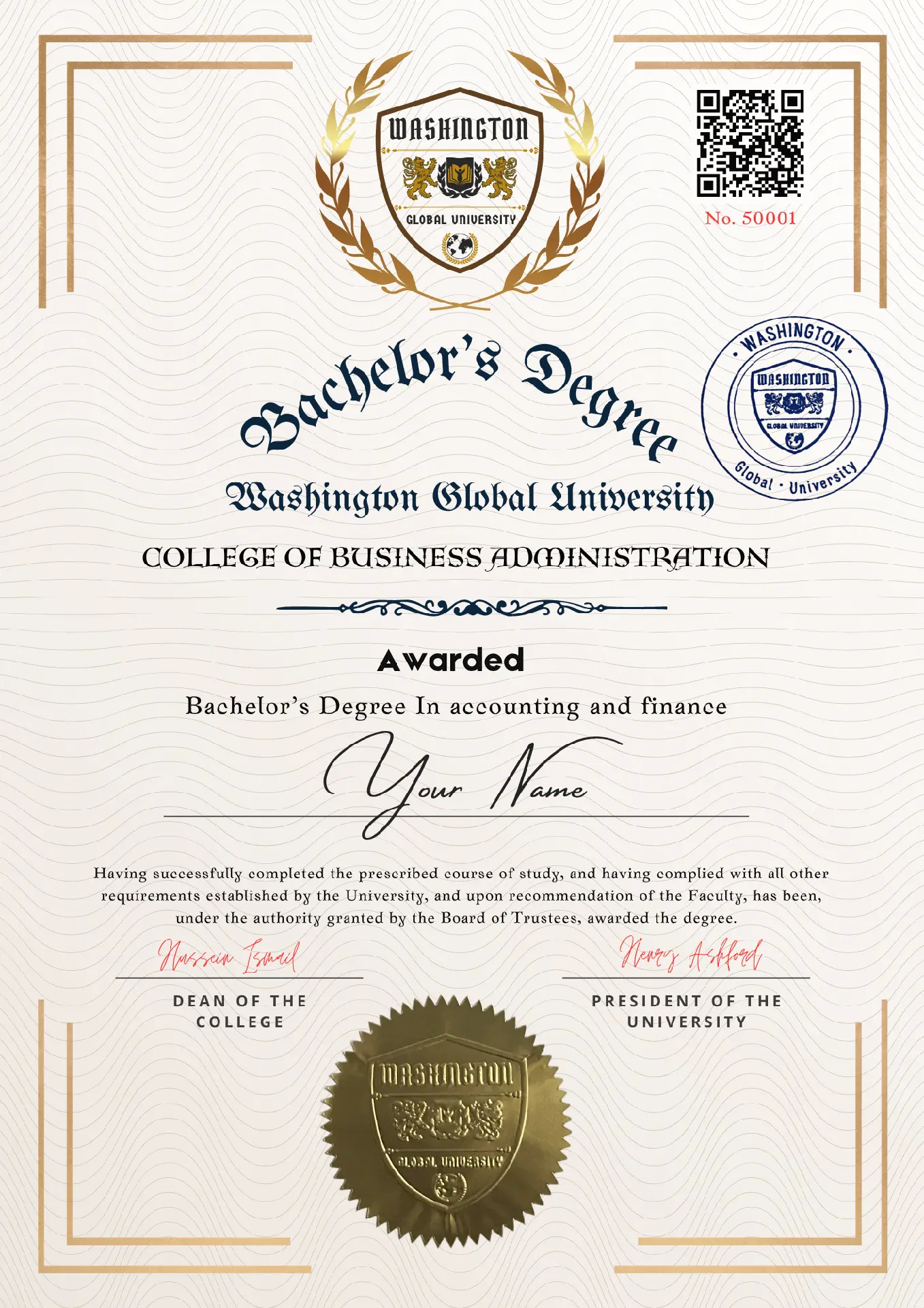
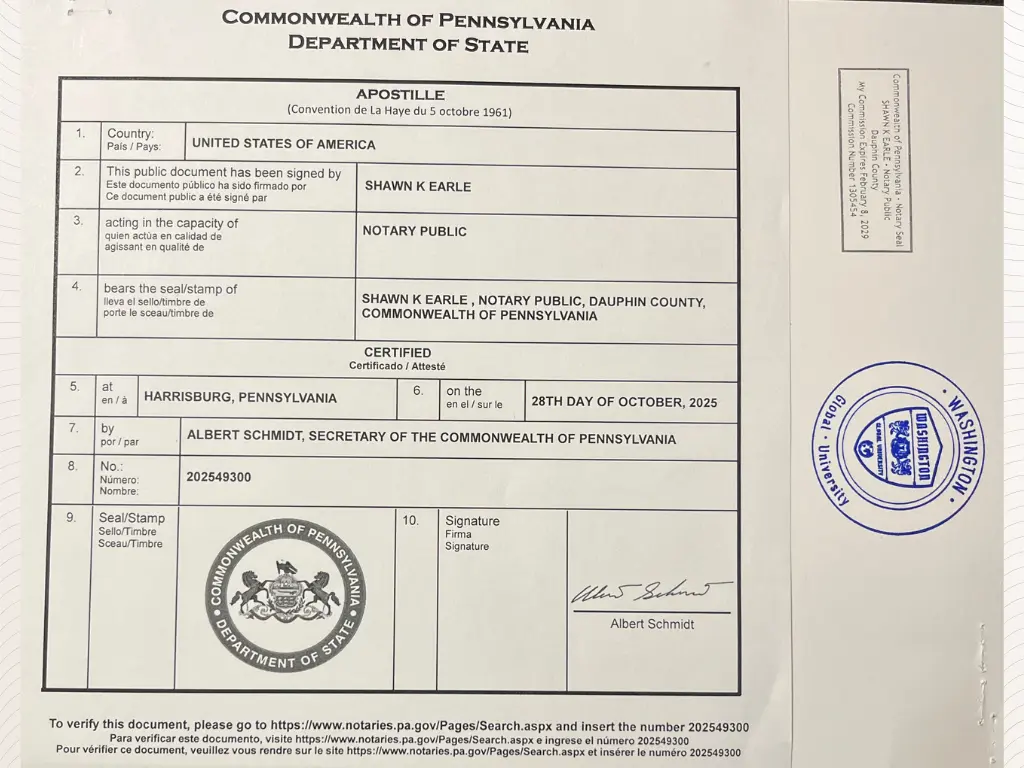
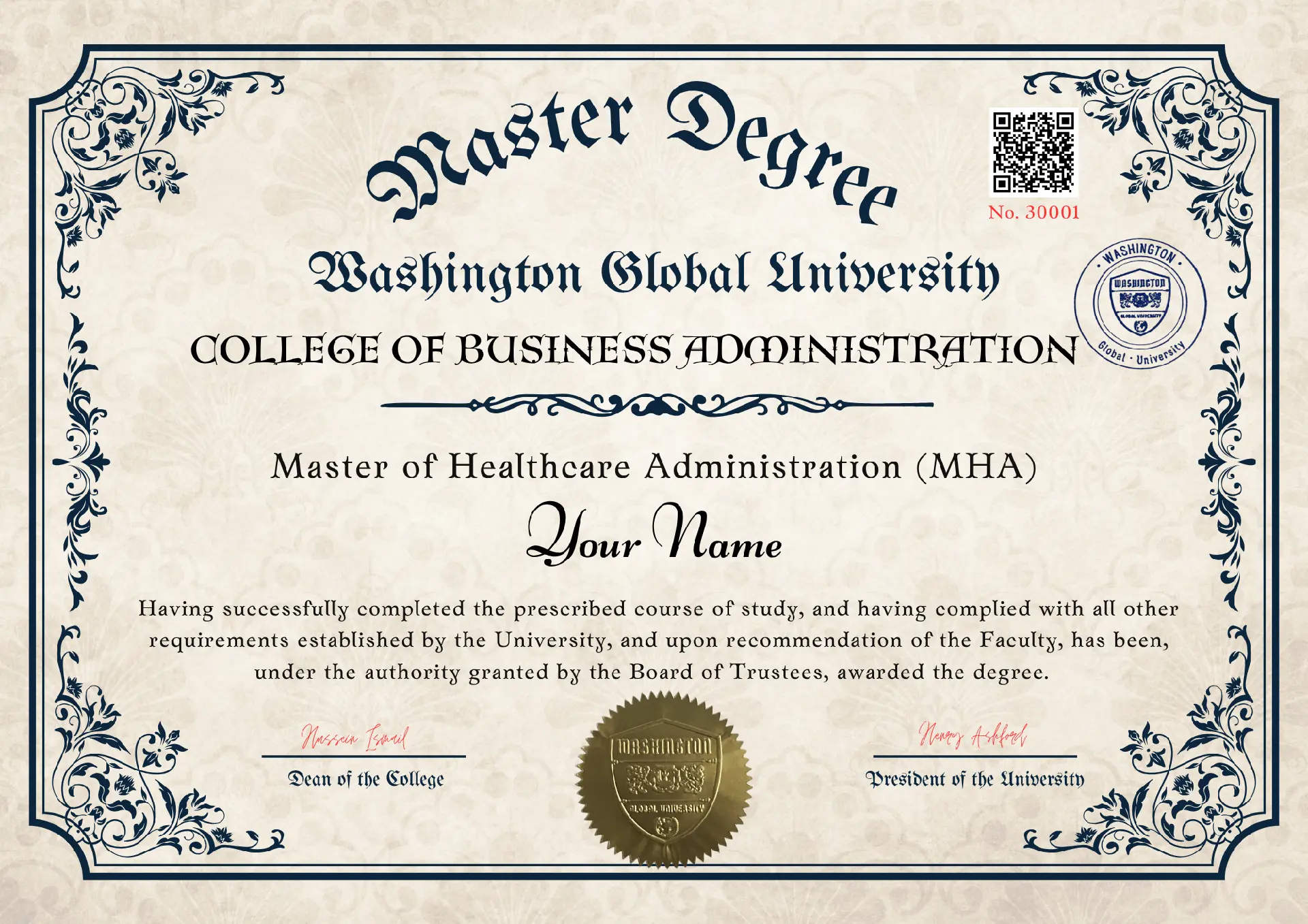
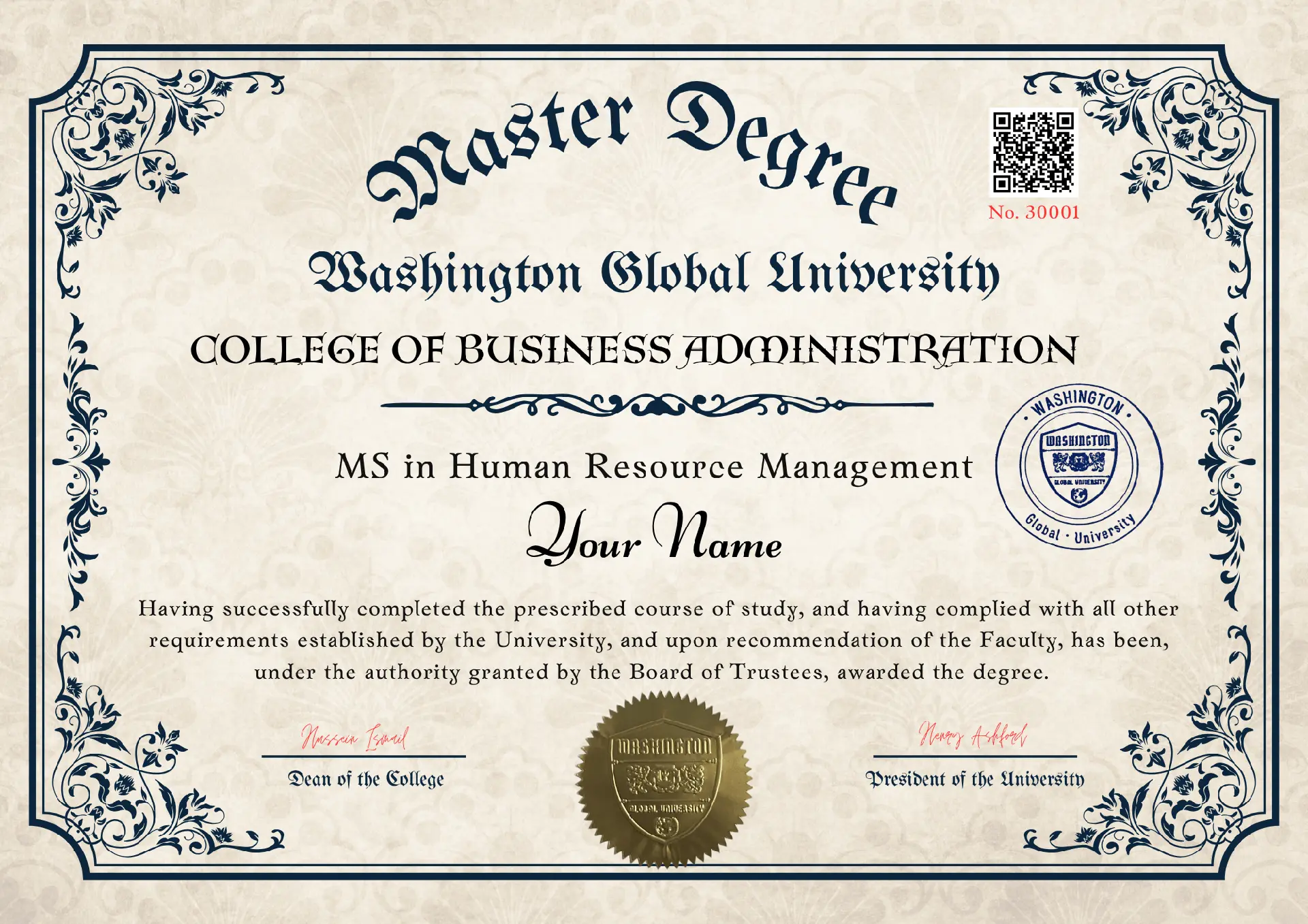
You can now enroll in Washington Global University and obtain qualifying academic degrees in a wide range of specialties in just 45 days. Programs include Business and Management, Consultation Programs, Psychology, Criminal Justice, Information Technology, Health and Health Sciences, and Nursing. The university also offers professional programs including Education Specialist, Trainer Certification, Training Center Accreditation, in addition to academic degrees such as Bachelor's, Master's, and Doctorate degrees, along with the possibility of obtaining a Professional Diploma, verification of the academic degree, and ready-made profile files such as the Trainer Profile Template and the Training Center Profile Template.
This is the most essential labor metric, showing the cost of labor as a portion of sales. A high labor cost percentage can severely impact your bottom line. It's a key indicator of whether you're over-staffed or under-staffed for a given sales volume.
Result: 0%
Industry Average: A healthy range is between 25% and 35%.
Sales Per Labor Hour
This ratio measures the revenue generated for every hour worked by an employee. It's a key metric for assessing employee productivity and optimizing your scheduling. It helps you see if your team is working efficiently and if your schedule is aligned with customer traffic.
Result: $0
Industry Average: A good benchmark is typically $30-$40 per labor hour.
Employee Turnover Rate
This metric tracks the rate at which employees leave your business over a specific period. A high turnover rate is a major red flag. It points to issues like poor morale, inadequate training, or insufficient compensation. High turnover also leads to significant costs in recruitment, hiring, and training.
Result: 0%
Industry Average: The restaurant industry has a notoriously high turnover rate, often exceeding 70% annually.
Labor Cost Per Customer
This metric measures the average labor cost associated with serving a single customer. This provides a granular view of efficiency and helps you see if your labor spending is aligned with the number of people you're serving.
Result: $0
Industry Average: Varies widely, but it is an important internal benchmark to track.
Overtime Percentage
This ratio shows the percentage of total labor costs that are spent on overtime wages. Overtime is expensive; a high percentage can indicate poor scheduling, staff shortages, or a lack of labor planning.
Result: 0%
Industry Average: Should be kept as low as possible, ideally under 1%.
Labor cost per menu item
This measures the direct labor cost associated with producing a single menu item. It is a key part of recipe costing and helps you understand the true cost and profitability of each dish.
Result: $0
Industry Average: Not applicable as it is specific to each dish.
Front-of-House (FOH) Labor Percentage
This ratio specifically measures the cost of FOH staff (e.g., servers, hosts, bartenders) as a percentage of total sales. It helps you analyze the profitability of your service model and determine if your FOH team is properly sized for your sales volume.
Result: 0%
Industry Average: Varies by concept, but it's a critical internal benchmark to track.
Back-of-House (BOH) Labor Percentage
This ratio measures the cost of BOH staff (e.g., chefs, cooks, dishwashers) as a percentage of total sales. This helps you manage kitchen efficiency. If this ratio is too high, it may indicate issues with menu complexity, kitchen layout, or training.
Result: 0%
Industry Average: Varies widely, but a well-managed kitchen should aim for a low BOH labor percentage.
Labor Cost to Prime Cost Ratio
This ratio shows what proportion of your prime costs (labor + COGS) are attributed to labor. It helps you understand the balance between your two largest expenses. A ratio that is too high may indicate that you have labor costs that are too high compared to your food costs.
Result: 0%
Industry Average: Varies, but it's an important internal metric for balancing your most significant costs.
Net Profit Per Employee
This measures how much net profit a single employee generates for the business. This is a high-level metric that can be used to assess overall productivity and the effectiveness of your team as a whole.
Result: $0
Industry Average: Not applicable as it is a unique metric to each business.
Training Cost Per Employee
This measures how much you are investing in training each employee. This helps you budget for training and track the return on that investment. You can compare this to your turnover rate to see if your training is effective in retaining employees.
Result: $0
Industry Average: Varies, but a healthy business invests in employee development.
Benefits Cost Percentage
This ratio measures the cost of employee benefits as a percentage of total labor costs. Benefits can be a significant part of your labor costs. Tracking this helps you understand the true cost of your employees beyond just their wages.
Result: 0%
Industry Average: Varies depending on the size of the business and the benefits offered.
Fast, Accredited Education with Washington Global University
You can now enroll in Washington Global University and obtain qualifying academic degrees in a wide range of specialties in just 45 days. Programs include Business and Management, Consultation Programs, Psychology, Criminal Justice, Information Technology, Health and Health Sciences, and Nursing. The university also offers professional programs including Education Specialist, Trainer Certification, Training Center Accreditation, in addition to academic degrees such as Bachelor's, Master's, and Doctorate degrees, along with the possibility of obtaining a Professional Diploma, verification of the academic degree, and ready-made profile files such as the Trainer Profile Template and the Training Center Profile Template.
At Washington Global University, our students and graduates embody excellence, innovation, and leadership. Their success stories reflect our commitment to academic quality, professional growth, and global impact.
1. Business and Management – Master’s Degree
Maria Thompson, MBA Graduate (USA)
After earning her Master’s in Business and Management from Washington Global University, Maria founded a sustainable e-commerce startup that has expanded into three international markets. She credits WGU’s practical business strategies and leadership modules for giving her the confidence to lead her company toward global success.
2. Counseling Programs – Doctoral Degree
Dr. Ahmed Al-Farouq (UAE)
Dr. Ahmed completed his Doctorate in Counseling Psychology at WGU and now serves as a senior mental health consultant for an international non-profit organization. His research on trauma-informed care has been published in leading journals, influencing counseling practices across the Middle East.
3. Criminal Justice – Bachelor’s Degree
James Walker (USA)
James joined Washington Global University to pursue his Bachelor’s in Criminal Justice while working full-time in law enforcement. Today, he leads a specialized task force dedicated to community-based crime prevention. His academic training at WGU strengthened his analytical and leadership skills in the field.
4. Education Specialist – Diploma Program
Linda Nguyen (Vietnam)
Linda earned her Education Specialist Diploma from WGU, focusing on educational leadership and curriculum innovation. She now heads a private school network in Southeast Asia and has implemented modern teaching methodologies inspired by her WGU coursework.
5. Health & Health Sciences – Master’s Degree
Dr. Samuel Rodriguez (Spain)
Samuel completed his Master’s in Health & Health Sciences at WGU, specializing in global public health management. His thesis on post-pandemic healthcare systems received international recognition, and he now works as a health policy advisor for a European government agency.
6. Information Technology – Bachelor’s Degree
Priya Deshmukh (India)
Priya earned her Bachelor’s in Information Technology from WGU and secured a position with a leading cybersecurity firm. Her capstone project on digital forensics became the foundation for a real-world application that helps organizations strengthen their cyber defenses.
7. Nursing – Doctoral Degree
Dr. Emily Carter (Canada)
A proud alumna of WGU’s Doctor of Nursing program, Dr. Carter developed a nurse-led initiative to improve patient care in rural communities. Her leadership and research in clinical nursing practices have earned her national recognition in healthcare innovation.
8. Psychology – Master’s Degree
John Peterson (United Kingdom)
John’s Master’s in Psychology at WGU prepared him to become a licensed therapist specializing in adolescent mental health. His success has led to the opening of his own counseling center, where he mentors new practitioners in compassionate, research-based care.
9. Accredited Instructor Program
Sarah Mitchell (USA)
Sarah became one of the first graduates of WGU’s Instructor Accreditation Program, designed to accredit educators and training centers. Today, she manages a certified training center in Texas, where she mentors instructors to meet international standards of teaching excellence.
10. Accredited Training Center Partnership
Global Skills Academy (Philippines)
Through WGU’s Accreditation Program, Global Skills Academy earned full accreditation as a recognized training institution. This partnership allows the academy to deliver WGU-aligned diploma programs in business, health, and IT, ensuring educational quality across regions.
Empowering Futures
Every success story at Washington Global University represents our mission in action — providing education that transforms lives, strengthens communities, and builds leaders for a global future.
Whatever your question is, we’ve got you covered
Whatever your question is, we’ve got you covered.
Washington Global University Enrollment Specialists are trained to help you research, plan, and get started on your academic journey.